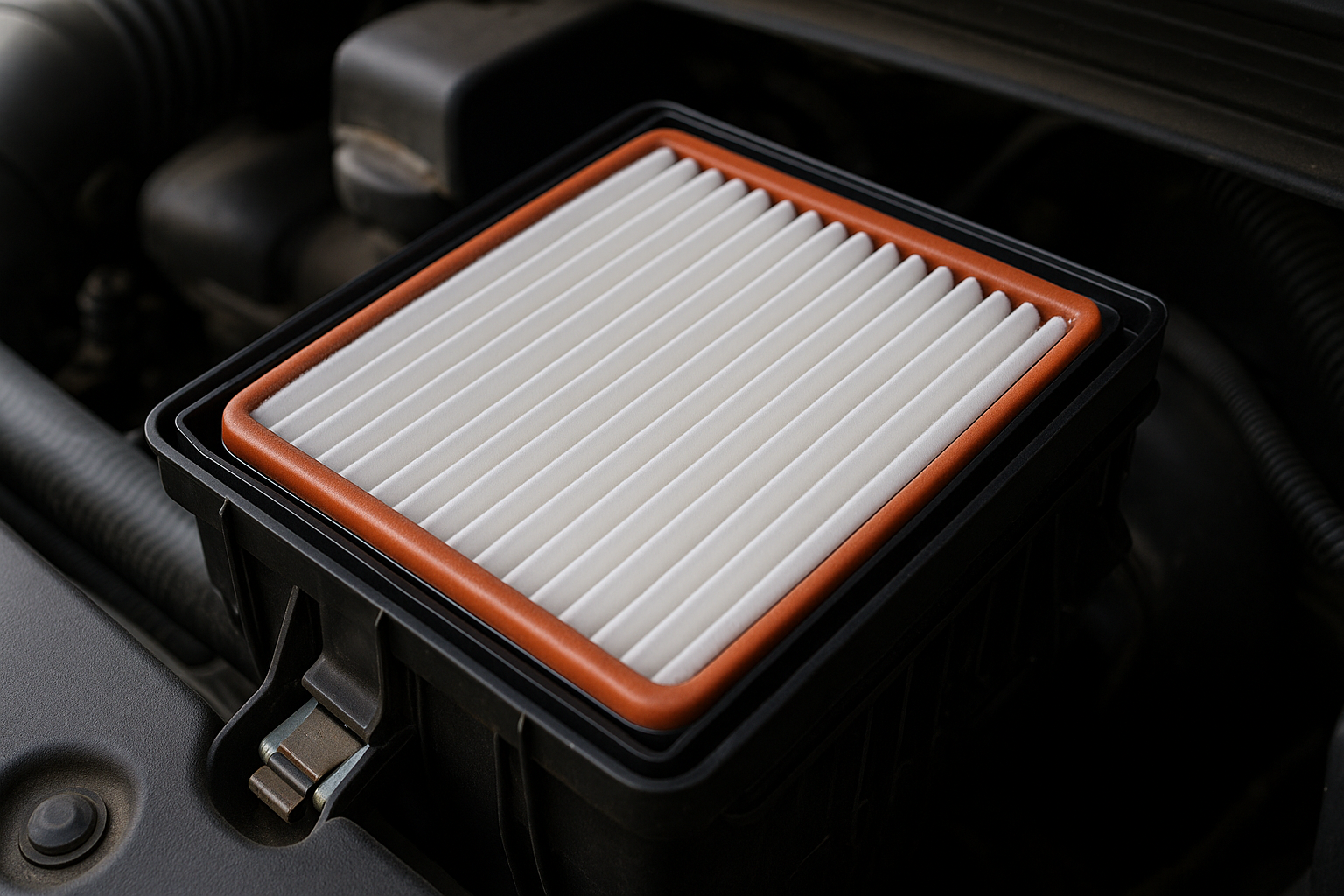
Regular air filter replacement is one of the simplest yet most impactful maintenance tasks you can perform on your vehicle. A clean engine air filter ensures optimal car airflow, helping your engine breathe easily, burn fuel efficiently, and reduce harmful emissions. In this guide, we’ll explore why air filter maintenance matters, how to choose the right filter, and walk you through a step‑by‑step replacement process.
1. Why a Clean Air Filter Matters
As your car runs, the air intake system sucks in dust, pollen, and debris. Over time, these contaminants clog the filter media, restricting airflow to the engine. Benefits of a clean air filter include:
- Improved Fuel Economy: With unobstructed air, the engine burns fuel more completely, reducing trips to the pump.
- Enhanced Engine Performance: Better combustion translates to smoother acceleration and more consistent power delivery.
- Lower Emissions: Cleaner airflow helps the catalytic converter work efficiently, reducing pollutants released into the environment.
2. Types of Engine Air Filters
There are several designs of engine air filters, each with pros and cons:
- Paper Filters: Affordable and disposable, paper elements trap fine particles but need frequent changes.
- Cotton Gauze (Oiled) Filters: Reusable and high‑flow, these require periodic cleaning and re‑oiling to maintain performance.
- Foam Filters: Common in off‑road vehicles, foam offers excellent debris capture but may restrict airflow if not properly maintained.
Choose a filter that balances filtration efficiency with adequate car airflow, based on your driving conditions.
3. When to Replace Your Air Filter
Most manufacturers recommend inspecting or replacing the air filter every 12,000–15,000 miles, but you may need to change it sooner if you:
- Drive frequently on dirt roads or in dusty environments.
- Notice reduced acceleration or engine hesitation.
- See a dark, clogged filter during a visual check.
Consult your owner’s manual for specific intervals and inspection procedures.
4. Step‑by‑Step Air Filter Replacement Guide
Step 1: Locate the Air Filter Housing
Open your hood and find the airbox—typically a black plastic container connected to the intake tubing. It may be secured with clips, screws, or clamps.
Step 2: Remove the Old Filter
- Undo the fasteners holding the airbox lid in place.
- Lift off the lid and carefully remove the old engine air filter.
- Note the orientation of the filter to ensure correct installation of the new one.
Step 3: Clean the Housing
Use a clean, dry cloth or a vacuum to remove leaves, dirt, and debris from inside the airbox. A clean housing prevents premature clogging of your new filter.
Step 4: Install the New Filter
- Place the new filter in the housing, matching the exact orientation of the old one.
- Ensure the filter sits flush, with no gaps around the edges.
Step 5: Secure the Housing and Test
- Reinstall the airbox lid and fasten all clips or screws snugly.
- Start the engine and listen for smooth idling—no hissing or whistling indicates a proper seal.
5. Benefits of Regular Air Filter Replacement
Consistently replacing your air filter delivers ongoing advantages:
- Extended Engine Life: Clean air reduces wear on pistons and cylinders.
- Consistent Performance: Maintains factory‑rated horsepower and torque.
- Cost Savings: Prevents expensive repairs caused by restricted airflow and contaminated sensors.
6. Tips for Maximizing Car Airflow and Performance
- Check Seals and Ducts: Ensure intake hoses and clamps are tight, preventing unfiltered air leaks.
- Upgrade Wisely: Performance filters can boost airflow, but balance gains with filtration efficiency.
- Monitor Engine Light: A clogged filter can trigger the check‑engine light—address it promptly.
- Avoid Over‑Oiling: If using an oiled filter, apply oil sparingly to prevent sensor contamination.
Conclusion
Following this simple air filter replacement process ensures your engine air filter operates at peak efficiency, maintaining proper car airflow and protecting your engine. Schedule inspections at regular intervals, choose the right filter type for your driving needs, and enjoy improved fuel economy, smoother performance, and lower emissions. A clean air filter is a small investment with big returns for your vehicle’s health and longevity.
